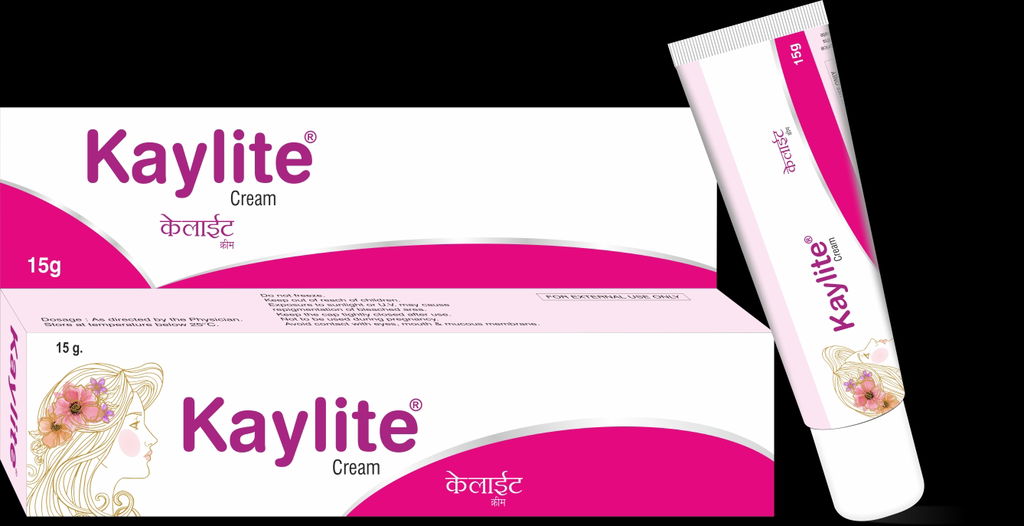
Brightening Face Cream for Pigmentation, Dark Spots and Uneven Skin Tone
How Pigmentation Forms on Indian Skin
Indian skin carries more melanin than lighter skin types. Melanin protects against sun damage. It also reacts to triggers such as heat, hormones and inflammation.
What creates dark patches
- Sun exposure during commutes, travel and outdoor work
- Hormonal shifts linked to pregnancy, thyroid conditions or oral contraceptives
- Inflammation left behind by acne, insect bites or cuts
- Friction from harsh scrubs, hair removal and rough towels
- Heat from kitchens, machinery and long summer months
Most over-the-counter creams stop at surface hydration. They improve the look of skin for a few hours. They do not reach the pigment sitting in deeper layers.
A brightening face cream for pigmentation works on this pattern. It slows fresh melanin production and helps existing marks fade across a treatment cycle.
What This Cream for Uneven Skin Tone Is Designed to Treat
Concerns it addresses
- Melasma patches across the cheeks, forehead and upper lip
- Sun-induced tanning on the face and neckline
- Post-acne darkening that lingers after breakouts heal
- Patchy tone that makeup struggles to cover
How the texture behaves
The formula stays light and does not leave a greasy film. The 15g tube covers three to four weeks of use on the affected areas.
Results depend on the cause. Tanning shifts first. Melasma sits deeper and asks for patience across several weeks.
A cream for uneven skin tone helps when the trigger is under control. Heat, sun and hormonal shifts need management alongside the treatment.
Inside the Formula of This Face Cream for Dark Spots
The cream combines hydroquinone, tretinoin and mometasone furoate. Each active plays a separate role in the triple combination approach used for melasma.
The role of each active
- Hydroquinone reduces the enzyme activity behind melanin formation
- Tretinoin speeds cell turnover so the skin sheds pigmented cells
- Mometasone furoate calms the irritation that the other two can cause
This combination is prescription grade. Indian dermatologists prescribe it for fixed periods, not for open-ended daily use. Supervision matters more than speed.
Using Face Cream for Dark Spots Without Damaging Your Skin Barrier
Your night routine
- Wash the face with a mild cleanser and pat it dry
- Take a pea-sized amount on a clean fingertip
- Spread a thin layer over the dark patches alone
- Leave the eyelids, lips and any broken skin untouched
- Follow with a plain moisturiser if the skin feels tight
Before the first application
Run a patch test behind the ear. Wait twenty-four hours and check for redness. This step matters for sensitive and acne-prone skin.
Stop use if you notice burning, stinging or redness that lasts. Speak to your doctor before you restart.
Why Sunscreen Decides Your Result
Every face cream for dark spots loses ground without sun protection. Ultraviolet light restarts melanin production within minutes of exposure.
Apply a broad-spectrum sunscreen of SPF 30 or higher each morning. Reapply through the day if you travel, commute or sit near windows.
Without this step, marks return once the treatment ends. Sunscreen holds the progress that the night cream builds.
Habits That Slow Down Progress
- Harsh scrubbing: friction triggers inflammation, and inflammation triggers melanin
- Layering strong actives: acid toners and peels irritate the barrier during this course
- Skipping days: an on and off routine stalls the result
- Daytime use: the formula is built for night application
- Sharing the tube: a prescription product suits one person and one concern
When to Speak to a Dermatologist
Book a consultation before you start if you are pregnant, breastfeeding or under treatment for a skin condition.
A doctor will set the length of your course and plan what follows. Long unsupervised use of a steroid-based cream can thin the skin.
Share your full routine, including any prescription tablets or creams. Some combinations increase sensitivity and require a change in timing.
Ask about a maintenance plan for the months after. Most people move to milder actives such as niacinamide, vitamin C or azelaic acid.
Setting Realistic Expectations from a Cream for Uneven Skin Tone
Pigmentation formed over years does not clear in one tube. Fresh acne marks are the earliest to respond. Hormonal melasma is the slowest to shift.
Track progress with photographs in the same light each week. Written notes help you and your doctor judge what the skin is doing.
A brightening face cream for pigmentation forms one part of the plan. Sleep, sun habits, hydration and stress control carry the rest of the weight.
Frequently Asked Questions
How long does one 15g tube last?
One tube lasts three to four weeks with the recommended pea-sized application. Use on affected areas alone, not across the full face.
Can this cream be used during the day?
No. The formula is meant for night use. Daytime application raises the risk of irritation and sun sensitivity.
How soon do the results show?
Some users notice change within ten to fifteen days. Post-acne marks fade earlier than melasma. Deeper pigmentation needs a longer, supervised course.
Is a doctor consultation necessary?
Yes. The formula contains prescription-grade actives, including a topical steroid. A dermatologist decides the course length and the plan that follows it.
What should be applied in the morning?
Use a mild cleanser, a light moisturiser and a broad-spectrum sunscreen of SPF 30 or higher. Sun protection decides how well the treatment holds.
Can it be used on the neck, hands or body?
Speak to your doctor first. Skin thickness varies across the body, and application beyond the face needs medical guidance.